
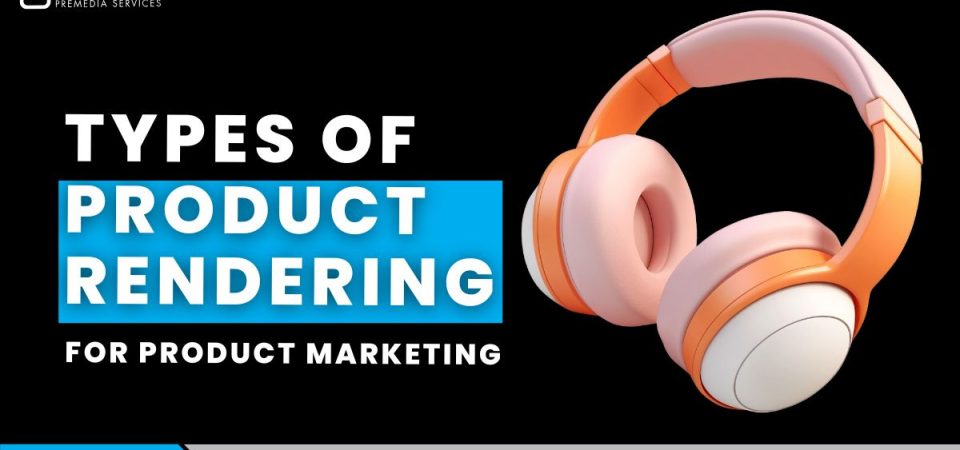
Effective product marketing is important for attracting and engaging consumers. With the rise of e-commerce and visual content dominating online platforms product rendering has emerged as an essential tool for businesses. It plays a key role in showcasing products accurately enhancing brand aesthetics and driving customer engagement. High-quality renderings can bridge the gap between a customer’s expectations and actual experiences influencing purchasing decisions. This article will explore various types of product rendering that can significantly enhance marketing efforts and drive sales.

1. 2D Renderings
2D renderings are flat representations of products that are typically created using graphic design software. These images can include illustrations or marketing materials that provide information about product features and specifications. They often serve as an entry point in marketing efforts by establishing a clear understanding of the product’s appearance and functionality.
For example, a tech company launching a new smartphone might use a 2D rendering to create eye-catching advertisements that highlight the phone’s sleek design and features. These images are often used in brochures websites and social media campaigns providing customers with essential visual information without overwhelming them. Additionally, 2D renderings can create a cohesive brand image through consistent color palettes and design motifs.
2. 3D Renderings
3D renderings offer a more dynamic view of a product allowing consumers to visualize the item from various angles and perspectives. This type of rendering uses three-dimensional modelling techniques to create lifelike images that can reflect textures lighting and shadows providing a more realistic representation of the product.
For instance, an online furniture retailer might display 3D renderings to showcase their sofa collection. Customers can view the furniture from multiple angles helping them understand how it would fit in their space. Moreover, many retailers now allow customers to virtually place the rendered products in their own environments using augmented reality (AR) technology further enhancing the shopping experience. 3D renderings significantly improve customer engagement by providing an informative and interactive product view leading to better-informed purchase decisions.
3. 360-Degree View
A 360-degree view rendering offers a complete visual representation of a product by allowing customers to rotate the image around a central axis giving them the ability to see every angle and detail. This type of rendering effectively captures the product’s dimensions textures and features in a way that static images cannot providing an immersive experience.
For example, a jewelry retailer might utilize a 360-degree view to showcase unique pieces allowing customers to see intricate designs up close. Similarly clothing brands can use this technique to present garments enabling potential buyers to view how fabric moves and fits from every angle. This type of visual engagement fosters trust and helps eliminate guesswork for consumers ultimately leading to increased conversion rates and customer satisfaction.
4. Interactive Renderings
Interactive renderings are advanced digital representations that allow customers to engage directly with the product. These can include 3D models that users can manipulate to see different features colors and configurations. By providing an interactive experience brands can capture consumer interest and encourage exploration of their products.
A prominent example is the automotive industry where car manufacturers create interactive renderings of their vehicles. Consumers can customize the color wheels and additional features in real time effectively simulating a personal experience before making a purchase. Many fashion brands also utilize interactive renderings on their websites allowing shoppers to see various clothing styles and fits without needing to try items on in-store. This type of rendering helps foster a deeper emotional connection with the product and increases conversion rates by making the buying experience more engaging and tailored to individual preferences.
5. Augmented Reality (AR) Product Rendering
Augmented Reality (AR) product rendering overlays digital images onto the real world allowing consumers to visualize products in their actual environment. Through the use of AR apps on smartphones or tablets customers can see how a product will look in their home office or on themselves. This immersive option is changing the way brands interact with consumers and influences purchasing decisions.
A great example is IKEA’s AR app which allows users to point their device camera at their room and see how different pieces of furniture would fit and look in the space. Similarly cosmetic brands utilize AR applications enabling users to virtually “try on” makeup products before they buy. Thus leveraging AR not only enhances the customer experience but also reduces the likelihood of returns addressing a common concern in online shopping.
Conclusion
Understanding the different types of product rendering is essential for businesses looking to make a mark in their respective markets. From 2D and 3D renderings to 360-degree views interactive experiences and AR applications each approach provides unique benefits that enhance product visibility and consumer engagement.
Integrating these rendering techniques into marketing strategies brands can improve customer experiences and boost sales.
Our company specializes in providing high-quality product renderings to meet the needs of diverse industries. Let us help you elevate your product marketing efforts!


