
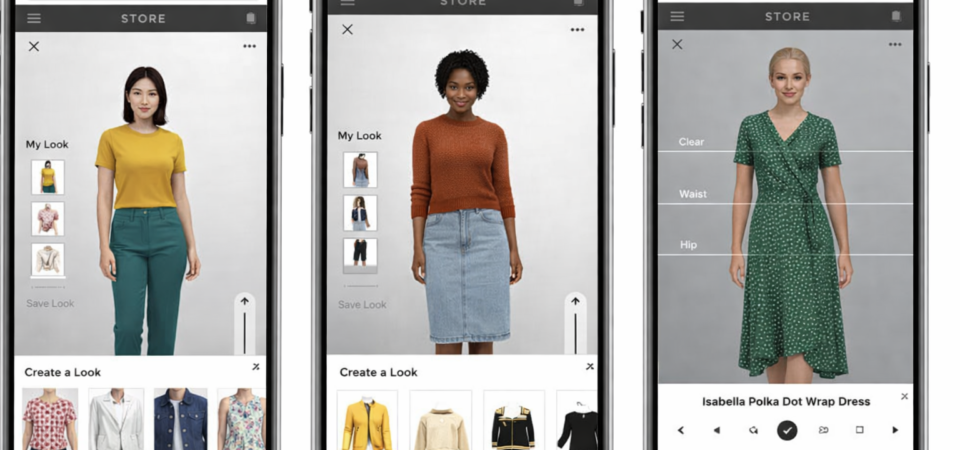
Online shopping has always promised convenience, but it often comes with uncertainty—Will that dress fit? Will the lipstick shade suit my skin tone? Enter Virtual Try-On AI, a groundbreaking technology that blends artificial intelligence (AI) and augmented reality (AR) to revolutionize how consumers experience fashion, beauty, and beyond. This innovation is not just enhancing e-commerce; it’s reshaping the very future of retail.
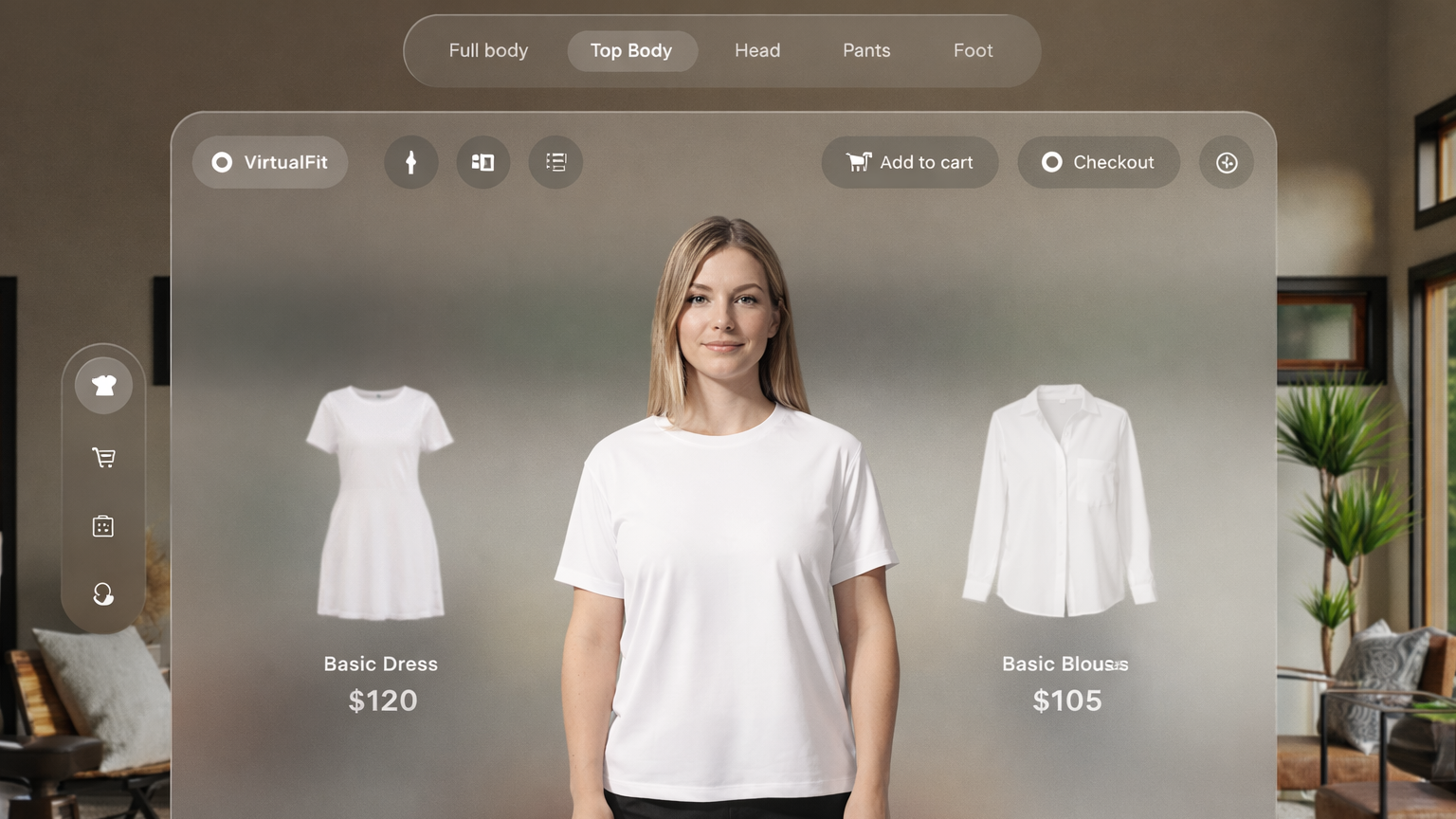
How Virtual Try-On AI Works
Virtual try-on technology uses AI-driven computer vision to simulate real-life product experiences. By capturing a user’s image through a smartphone or webcam, the system creates a digital avatar. AI then superimposes clothing, accessories, or makeup onto this avatar, offering a realistic preview.
- Facial recognition algorithms detect landmarks like eyes, nose, and mouth for precise makeup placement.
- Body recognition technology maps posture, size, and proportions to ensure clothing fits accurately.
- Augmented reality (AR) overlays digital products in real time, making the experience dynamic and interactive.
This seamless blend of AI and AR transforms static product pages into engaging, personalized shopping journeys.
Benefits for Consumers
Virtual try-on AI addresses one of the biggest pain points in online shopping: uncertainty.
- Convenience: Try products from home without visiting a store.
- Confidence: Preview styles, colors, and sizes before buying, reducing guesswork.
- Personalization: AI analyzes preferences and past behaviors to recommend tailored products.
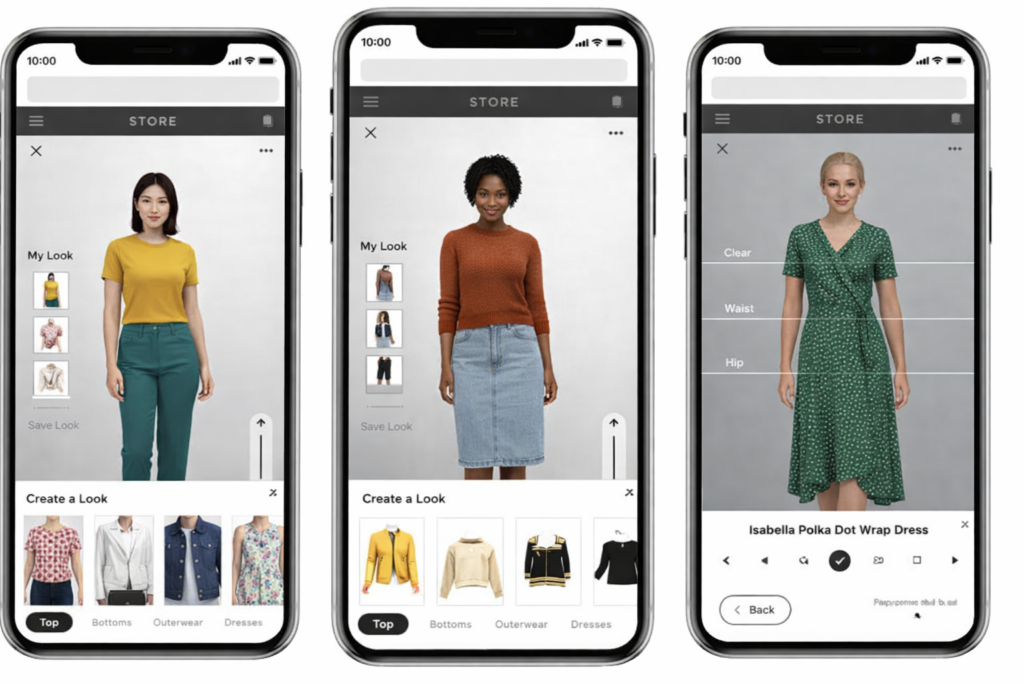
This leads to fewer returns, more confident purchases, and a deeper emotional connection with brands.
Advantages for Retailers and Brands
For businesses, virtual try-on AI is more than a customer perk—it’s a strategic advantage.
- Reduced return rates: Accurate previews minimize dissatisfaction.
- Higher conversion rates: Interactive experiences encourage longer engagement and more purchases.
- Enhanced brand image: Companies adopting AI-driven try-ons are seen as innovative and customer-centric.
- Data insights: Try-on interactions reveal consumer preferences, guiding product development and marketing.
Retailers like Sephora, Warby Parker, and ASOS have already proven their impact, reporting increased sales and customer satisfaction.
The Role of Augmented Reality
AR is the backbone of virtual try-on technology, ensuring realism and interactivity.
- Real-time feedback: Products adjust as users move, mimicking in-store experiences.
- Creative exploration: Shoppers can mix and match outfits or experiment with makeup looks instantly.
- Immersive engagement: AR bridges the gap between online and offline shopping, making digital experiences feel tangible.
Case Studies: Success in Action
- Sephora: Its Virtual Artist app lets users try lipsticks and eyeshadows via smartphone cameras, boosting online sales.
- Warby Parker: Customers preview eyewear frames virtually, reducing the need for physical store visits.
- ASOS: The “See My Fit” feature shows clothing on models with diverse body types, improving confidence and reducing returns.
These examples highlight how virtual try-on AI enhances customer trust and loyalty across industries.
Challenges and Limitations
Despite its promise, virtual try-on AI faces hurdles:
- Accuracy issues: Perfect representation across diverse skin tones and body types remains complex.
- Hardware dependency: High-quality cameras and processors are essential, limiting accessibility.
- Privacy concerns: Sensitive data like facial images must be stored and handled transparently.
Brands must balance innovation with inclusivity, accessibility, and trust.
Future Trends in Virtual Try-On AI
The next wave of virtual try-on technology is even more exciting:
- Advanced AI models: Greater accuracy and personalization.
- Expansion into new categories: Furniture, home décor, and even automotive previews.
- Social integration: Share try-ons with friends or directly on social media for feedback.
Imagine visualizing a sofa in your living room or trying on sneakers within your favorite social app—the possibilities are endless.
How Businesses Can Integrate Virtual Try-On AI
For retailers considering adoption:
- Define goals: Identify how virtual try-ons can enhance customer experience and drive sales.
- Prioritize user experience: Ensure solutions are intuitive, accurate, and engaging.
- Invest in AR capabilities: High-quality imaging and seamless integration are key.
- Safeguard data: Transparency and compliance with privacy regulations build consumer trust.
Conclusion:
Virtual try-on AI is not just a trend—it’s a fundamental shift in retail. For consumers, it delivers convenience, personalization, and confidence. For brands, it reduces costs, boosts conversions, and strengthens customer relationships.
Reality Premedia is at the forefront of this transformation, blending creative strategy and immersive digital experiences to help brands harness virtual try-on AI.


