
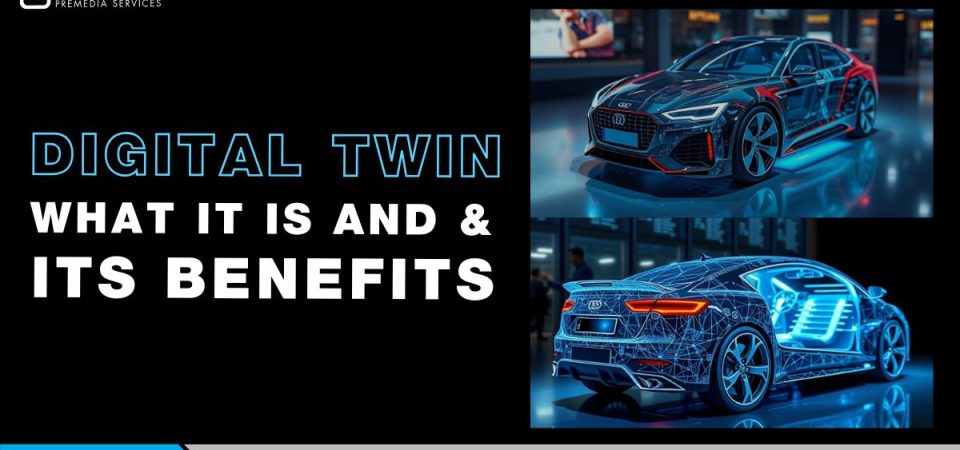
A digital twin is a virtual replica of a physical object, system, or process created through the collection and analysis of real time data.
This digital counterpart helps businesses optimize operations, predict future performance and improve decision making. As industries become more interconnected digital twins are transforming how companies approach product design, maintenance and customer service. Their potential to unlock efficiency, sustainability and innovation makes them an essential tool for businesses seeking to stay competitive.
1. Improved Customer Satisfaction
Customer experience has become a key differentiator for businesses. As consumers expect personalized, fast and seamless service organizations must adapt to meet these growing demands. A positive customer experience fosters loyalty and increases the likelihood of repeat business. Companies are increasingly leveraging digital twins to enhance their customer service.
Digital twins collect real time data from products and systems allowing businesses to anticipate issues and provide proactive maintenance and support. This technology enables companies to improve customer satisfaction through faster service, predictive repairs and informed product improvements.
Industries such as aerospace, defense and pharmaceuticals have reported a significant rise in customer satisfaction by implementing digital twin technology.
Research shows that companies using digital twins experience a 20% increase in customer retention and satisfaction.
Digital twins allow businesses to deliver exceptional customer experiences by reducing downtime, increasing service efficiency and continuously improving products.
2. Inform and Drive Sustainability Efforts
Digital twins is important in promoting sustainability by offering data that can help optimize processes and reduce waste. Businesses can identify energy inefficiencies, minimize carbon emissions and choose more sustainable materials by simulating different scenarios in a virtual environment.
Companies in manufacturing and other sectors have used digital twins to reduce energy consumption and improve overall production efficiency.
Research from Deloitte shows that organizations that have adopted digital twin technology have reduced energy use and waste by 15-25%.
Incorporating digital twins into sustainability strategies allows businesses to make data driven decisions that contribute to a greener future while improving operational efficiency.
3. Reduced Time to Market
Digital twins help accelerate product development by allowing companies to simulate and test products in a virtual environment before creating physical prototypes. This reduces the time spent on iterations and minimizes the risk of costly late stage design changes. Companies can validate product performance and make improvements faster.
With digital twins businesses can speed up innovation and meet market demands with faster product launches.
4. Improved Product Quality
Digital twins improve product quality by gathering data on how products perform in the real world. This allows businesses to refine and enhance their designs based on actual usage making future products more reliable and better suited to customer needs. As the digital twin collects more data over time it helps in identifying potential design flaws and areas for improvement.
In sectors like automotive and industrial equipment digital twins provide precise insights that lead to better product development. According to a PwC study companies leveraging digital twins for product development report a 30% reduction in defects and quality issues.
By using digital twins businesses can deliver higher quality products that meet customer expectations, improve brand reputation and reduce returns and warranty claims.
5. Enhance Supply Chain Agility and Resilience
Supply chain disruptions can significantly impact a business’s ability to deliver products on time. Real time visibility into supply chain operations is important to adapt quickly to changes and make informed decisions. Digital twins offer companies a comprehensive view of their entire supply chain making it easier to identify potential risks and bottlenecks.
With a digital twin model business can simulate different scenarios and adjust their strategies based on actual performance data. Companies have successfully used this technology to reduce delays and improve logistics.
Studies indicate that businesses adopting digital twins have reduced logistics costs by 10% and improved delivery accuracy by 15%.
Conclusion
Digital twins provide a wide range of benefits from improving customer satisfaction to driving operational efficiency and supporting sustainability efforts. These digital models allow businesses to anticipate issues, enhance product quality and optimize supply chains resulting in reduced costs and faster time-to-market. As digital twin technology continues to evolve its potential to transform industries and drive innovation to grow.
Reality Premedia offers advanced AR, VR and 3D modeling solutions helping businesses integrate digital twin technology into their operations for greater efficiency and success. Contact us today to explore how we can assist you in leveraging digital twins to achieve your goals.


