
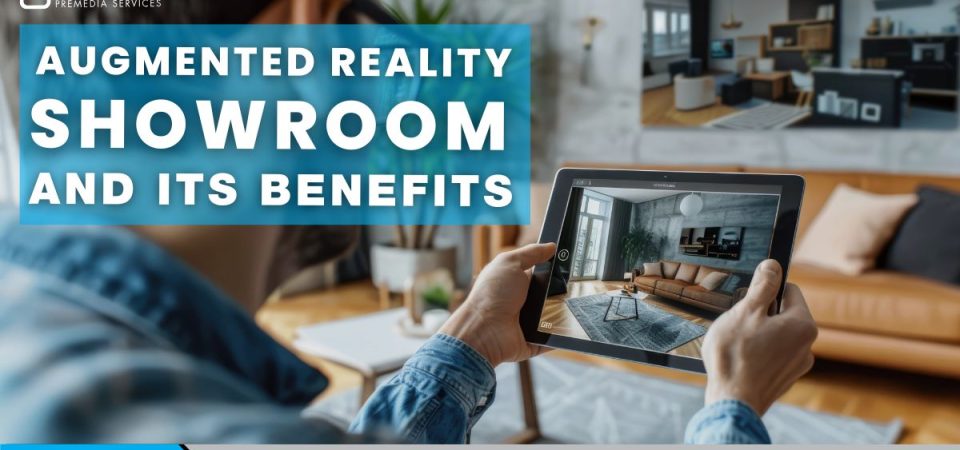
Ever wished you could see exactly how a piece of furniture would look in your home before buying it?
Or explore every detail of a car without stepping into a dealership? Augmented Reality (AR) showrooms make this possible, transforming how we shop by merging the physical and digital worlds. They allow customers to interact with products in immersive ways offering both convenience and a deeper connection to the items they are considering.

For businesses, AR showrooms are more than just a trend. They are a strategic advantage. By creating interactive shopping experiences brands can captivate customers, reduce returns and stand out in a competitive marketplace.
AR showrooms are becoming essential for businesses looking to lead the way as consumer expectations shift toward personalization and innovation. Let us explore why they are making such a big impact.
- Enhanced Customer Experience
AR showrooms create a highly engaging and interactive shopping experience. Customers can visualize products in real world settings, customize features and explore options that suit their preferences.
For example – Furniture retailers use AR to help customers see how a sofa or table would look in their living spaces improving decision making.
Research shows that 71% of consumers prefer shopping at stores offering AR technology and AR applications are projected to reach over 2.4 billion users globally by 2025. These numbers highlight the growing demand for AR-enabled experiences making it a vital addition to modern businesses.
- Cost-Effective Operations
With AR showrooms businesses can significantly cut costs related to physical spaces and inventory management. By showcasing products virtually companies reduce the need for expansive showrooms and minimize logistics costs such as shipping large inventories to multiple locations.
According to a report by Deloitte that businesses adopting AR and VR solutions in retail can save up to 20% on operational costs annually. These savings allow companies to reinvest in other areas like marketing or product development, maximizing profitability.
- Increased Sales and Conversion Rates
AR showrooms empower customers with the confidence to make purchasing decisions. The ability to interact with a product virtually reduces uncertainty leading to higher conversion rates.
For example – Automotive AR showrooms let potential buyers explore car models, features and configurations before visiting a dealership.
Data reveals that products with AR experience see a 40% higher conversion rate compared to those without. Moreover, businesses report a 30% decrease in product returns as customers better understand what they are purchasing through AR interactions.
- Broader Reach and Accessibility
AR showrooms eliminate geographical barriers enabling businesses to reach a global audience. Customers from anywhere can access a company’s virtual showroom through a smartphone or tablet expanding market reach without the need for physical expansion.
Statista projects that mobile AR revenue will surpass $26 billion by 2025, reflecting its growing accessibility and potential. This technological leap ensures businesses can connect with customers in remote or underserved markets, fostering inclusivity and growth.
Ref : https://www.statista.com/statistics/282453/mobile-augmented-reality-market-size/
Conclusion
Augmented Reality showrooms connected with customers by enhancing experiences cutting costs, driving sales and broadening market reach. As AR technology becomes more prevalent, companies that embrace it stand to gain a competitive edge.
At Reality Premedia we specialize in developing immersive AR solutions tailored to your business needs. With over 25 years of experience and expertise across diverse industries we deliver innovative AR showrooms that elevate your brand and captivate your audience.
Ready to transform your customer experience? Contact us today for a free consultation!


