
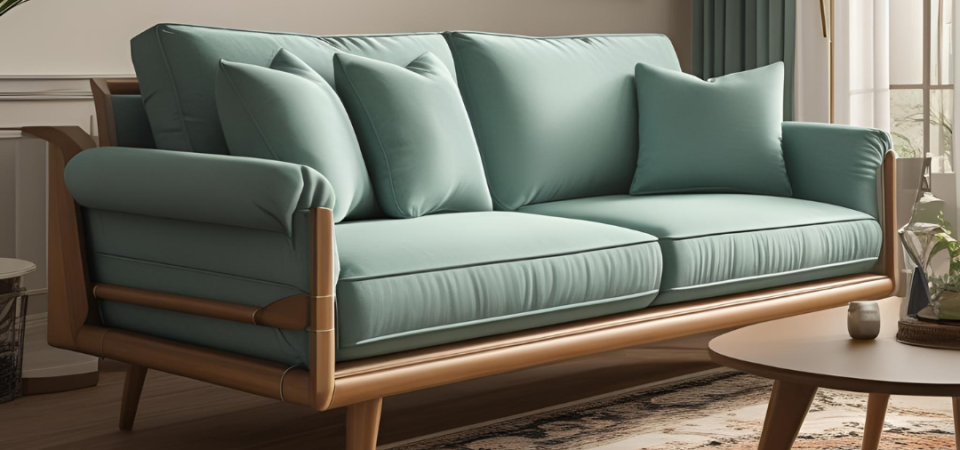
In today’s digital-first market, photorealistic visuals aren’t just nice to have—they’re essential. Whether you’re launching a new product line, revamping your e-commerce experience, or pitching to retailers, partnering with the right 3D product modeling provider can make or break your visual strategy.
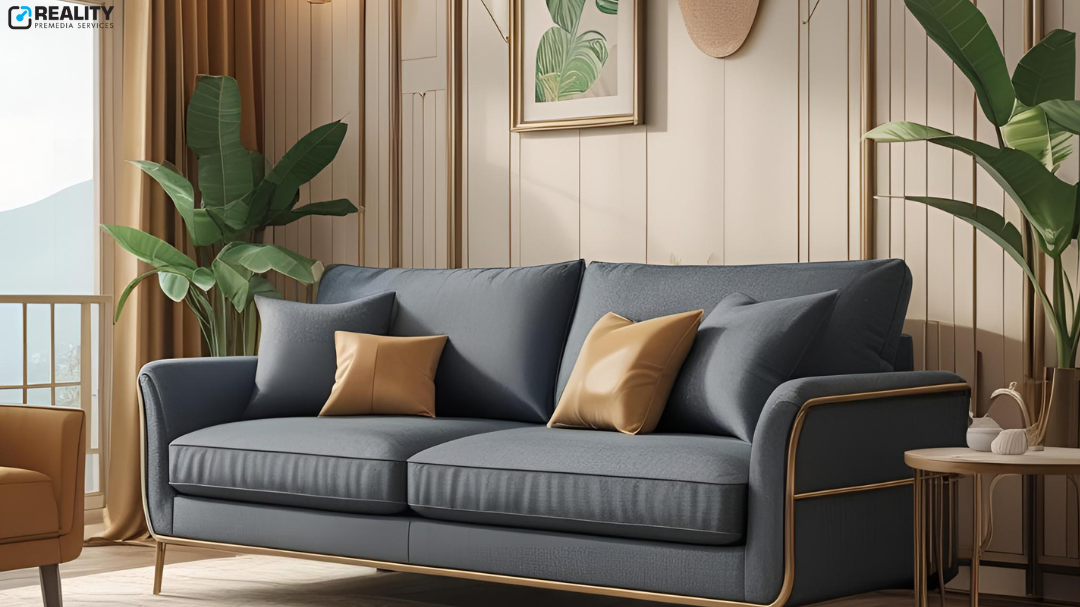
Let’s break down what to look for—and what to avoid
Why Furniture Brands Need Specialized 3D Modeling
Furniture isn’t just functional—it’s emotional, spatial, and deeply tactile. Unlike simple consumer goods like bottles or boxes, furniture pieces interact with light, space, and human ergonomics in complex ways. That’s why generic 3D modeling won’t cut it. Furniture brands need modeling partners who understand the craft, the context, and the commercial stakes.
Here’s what sets specialized 3D modeling apart:
Precision in Proportions and Textures
Every curve, bevel, and joint matters. A misaligned leg or an inaccurate seat depth can distort the product’s perceived quality. Specialized providers:
- Work from CAD drawings or technical specs to ensure dimensional accuracy
- Simulate realistic joinery, stitching, and edge detailing
- Recreate tactile surfaces—whether it’s the grain of reclaimed teak or the plush nap of velvet
This precision isn’t just aesthetic—it’s essential for product configurators, AR previews, and manufacturing alignment.
Realistic Lighting and Material Simulation
Furniture lives in light. Whether it’s a sunlit Scandinavian dining set or a moody leather recliner, lighting defines mood and material. Expert 3D providers:
- Use physically based rendering (PBR) to simulate how materials react to light
- Recreate reflections, shadows, and ambient occlusion for depth and realism
- Adjust lighting to suit platform needs—e.g., bright white for e-commerce, warm tones for lifestyle campaigns
This realism builds trust. Customers can almost “feel” the product before they make a purchase.
Multiple Configuration and Color Variants
Furniture rarely comes in one flavor. Modular sofas, extendable tables, and customizable finishes are the norm. Specialized providers:
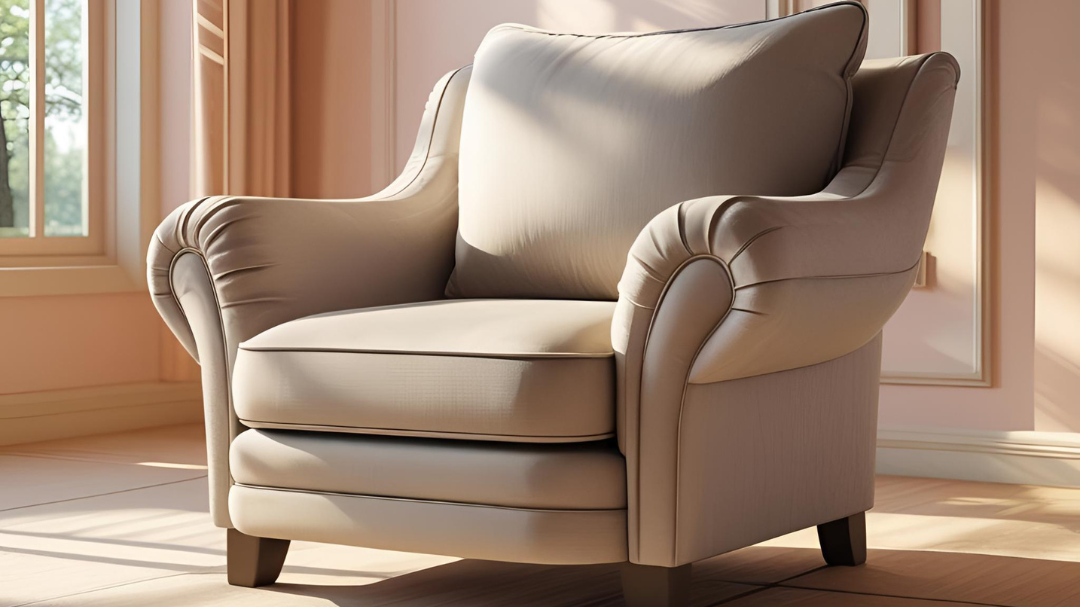
- Build parametric models that adapt to size, shape, and feature changes
- Render multiple variants efficiently, saving time and cost
- Deliver assets ready for interactive configurators or product carousels
This flexibility enables brands to showcase their entire catalog without overwhelming their production teams.
Contextual Renders: Lifestyle, Exploded Views, AR-Ready Assets
Furniture doesn’t exist in isolation—it belongs in homes, offices, and curated spaces. Specialized 3D modeling includes:
- Lifestyle renders: placing products in styled environments to evoke emotion and aspiration.
- Exploded views: breaking down components for technical storytelling or assembly guides.
- AR-ready models: optimized for mobile and web-based augmented reality experiences.
These contextual assets drive engagement across platforms—from Instagram to product pages to trade shows.
Key Qualities to Look For in a 3D Product Modeling Provider
Furniture-Specific Portfolio
Look for providers who’ve worked with furniture brands before. Their portfolio should include:
- Close-up shots of wood grains, fabrics, and finishes.
- Lifestyle renders in realistic interiors.
- Configurable models for modular furniture.
Bonus points if they’ve worked with brands in your niche—be it luxury, ergonomic, or space-saving furniture.
Material and Texture Mastery
Furniture modeling is all about surface realism. Your provider should demonstrate:
- Accurate simulation of materials like velvet, leather, oak, or metal
- Real-world lighting effects (e.g., soft shadows, reflections)
- UV mapping expertise for seamless textures
Variant and Configuration Handling
If your product comes in multiple colors, finishes, or sizes, your provider should offer:
- Parametric modeling
- Batch rendering for variants
- Interactive 3D viewers or configurators
This is especially crucial for e-commerce platforms like Shopify, Amazon, or Wayfair.
Speed, Scalability, and Support
Furniture launches are deadline-driven. Choose a provider who can:
- Scale up for large catalogs
- Deliver on tight timelines
- Offer responsive communication and post-delivery support
Red Flags to Watch Out For
- Overuse of generic assets or templates
- Lack of furniture-specific lighting and staging
- No clear revision policy or communication plan
- Unclear pricing or hidden costs
Conclusion
Choosing the right 3D product modeling provider for your furniture brand isn’t just about visuals—it’s about storytelling, scalability, and strategic alignment. The best providers become creative partners, helping you showcase your products in ways that drive engagement and sales.
At Reality Premedia, we specialize in crafting high-impact 3D product visuals tailored for furniture brands. From photorealistic renders and lifestyle compositions to AR-ready models and variant libraries, our team blends technical precision with commercial storytelling.


