
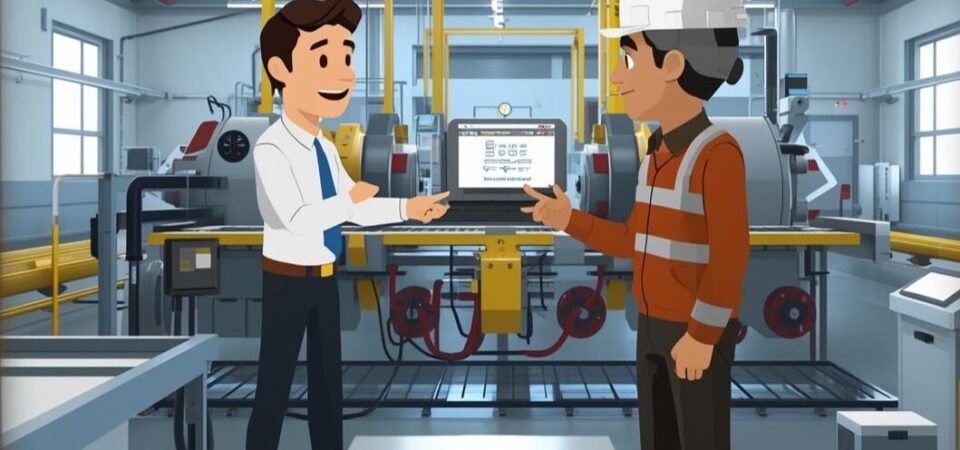
Workplace safety has always been a critical priority for organizations, especially in industries where employees face hazardous environments. Traditional training methods—manuals, classroom sessions, and static presentations—often struggle to engage workers or simplify complex safety procedures. Enter EHS (Environment, Health, and Safety) safety animation videos, a powerful tool that is transforming how companies train, educate, and protect their workforce.
What Are EHS Safety Animation Videos?
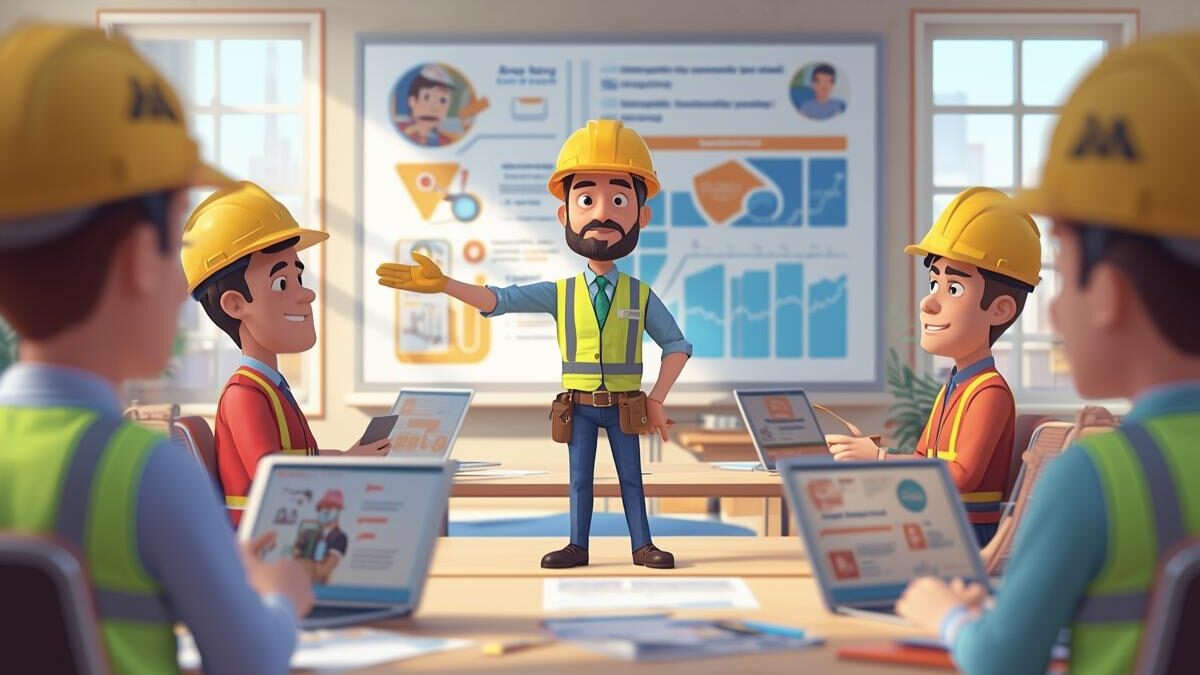
EHS safety animation videos use 2D or 3D animated visuals to demonstrate safety protocols, hazard awareness, and emergency procedures. They combine storytelling, motion graphics, and audio cues to make safety training more engaging, memorable, and universally understandable.
Agencies specializing in safety animation, such as TECH EHS Solution and Core EHS, emphasize that these videos are particularly effective because they engage both the eyes and ears, leading to better retention and comprehension of safety-critical information.
How They Are Revolutionizing Workplace Training
1. Simplifying Complex Procedures
- Animated videos break down intricate safety processes—like chemical handling or machine operation—into clear, step-by-step visuals.
- Workers can easily grasp procedures that would otherwise be difficult to explain through text or static images.
2. Consistency Across Training
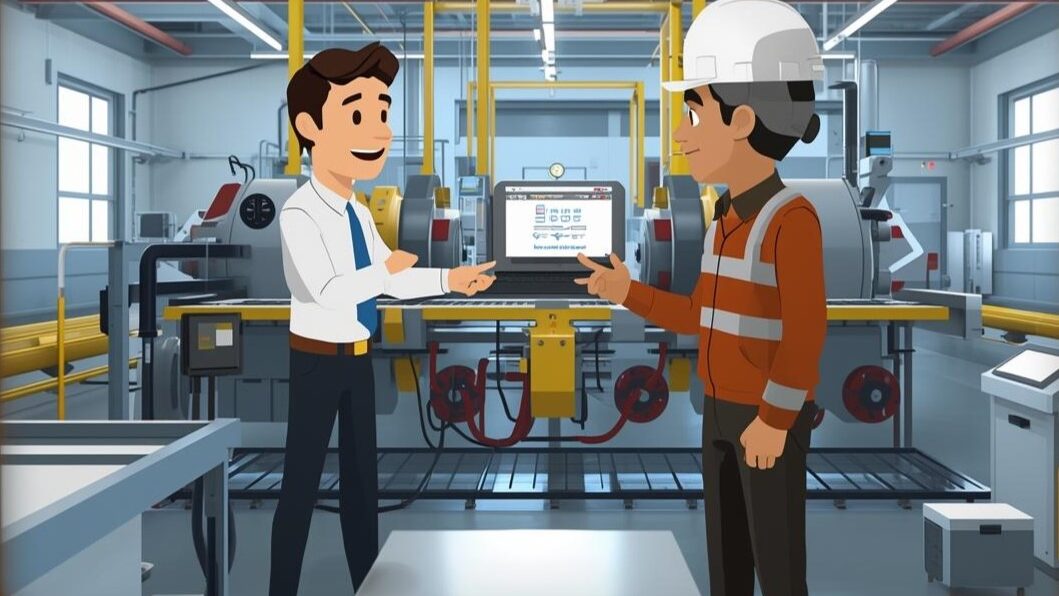
- Unlike instructor-led sessions that may vary in delivery, animations provide standardized training content every time.
- This ensures all employees receive the same level of instruction, reducing gaps in safety knowledge.
3. Breaking Language and Cultural Barriers
- Visual storytelling transcends language differences, making safety training accessible to diverse workforces.
- Multilingual voiceovers or subtitles can be added, but the core message remains universally clear through visuals.
4. Engagement and Retention
- Animated scenarios mirror real workplace situations, helping employees connect emotionally and cognitively.
- Studies show that audio-visual learning improves retention compared to text-based manuals.
5. Cost-Effective and Scalable
- Once created, safety animation videos can be reused across departments, sites, and even global offices.
- They reduce the need for repeated in-person training sessions, saving time and resources.
Real-World Applications
- Construction Safety: Demonstrating fall protection, PPE usage, and site hazards.
- Manufacturing: Training in machine operation, lockout/tagout procedures, and material handling.
- Chemical Industries: Explaining safe storage, handling, and emergency response protocols.
- Corporate Induction: Safety induction videos for new employees and visitors.
Impact on Safety Culture
Beyond compliance, EHS safety animation videos foster a proactive safety culture. Employees are more likely to internalize safety practices when training is engaging and relatable. This leads to fewer accidents, higher productivity, and stronger organizational trust.
Reality Premedia: Elevating Safety Training Through Animation
At Reality Premedia, we specialize in creating EHS safety animation videos that blend technical accuracy with engaging storytelling. Our approach ensures that safety training is not only compliant but also impactful and memorable.
- Customized Solutions: We design animations tailored to industry-specific hazards and compliance requirements.
- Multi-Channel Delivery: Videos optimized for internal training platforms, mobile devices, and social media.
- Visual Precision: Our 3D animations simplify complex safety procedures, making them easy to understand for diverse workforces.
- Strategic Impact: By combining safety content with creative execution, we help organizations build a stronger safety culture while reducing training costs.
Reality Premedia’s expertise in visual communication and content strategy ensures that every safety animation serves as both a training tool and a brand asset, reinforcing organizational commitment to employee well-being.
Conclusion
EHS safety animation videos are not just a training tool—they are a strategic investment in workplace safety and culture. By simplifying complex procedures, ensuring consistency, breaking barriers, and enhancing engagement, they are revolutionizing how organizations approach safety training. As industries continue to embrace digital transformation, animated safety content will play a central role in building safer, smarter, and more resilient workplaces.


