
Introduction
In industrial marketing, clarity isn’t just helpful—it’s essential. When you’re selling complex systems like multi-stage filtration units, high-efficiency HVACs, or automated manufacturing lines, your audience needs more than the specs. They need to see, understand, and trust what you’re offering. That’s where industrial animation has long played a role. But now, with the rise of Augmented Reality (AR) and Virtual Reality (VR), walkthrough animations are evolving from passive visuals into immersive, interactive experiences.
What Makes AR and VR Walkthroughs So Powerful?
Traditional animations are linear and screen-bound. AR and VR break those constraints:
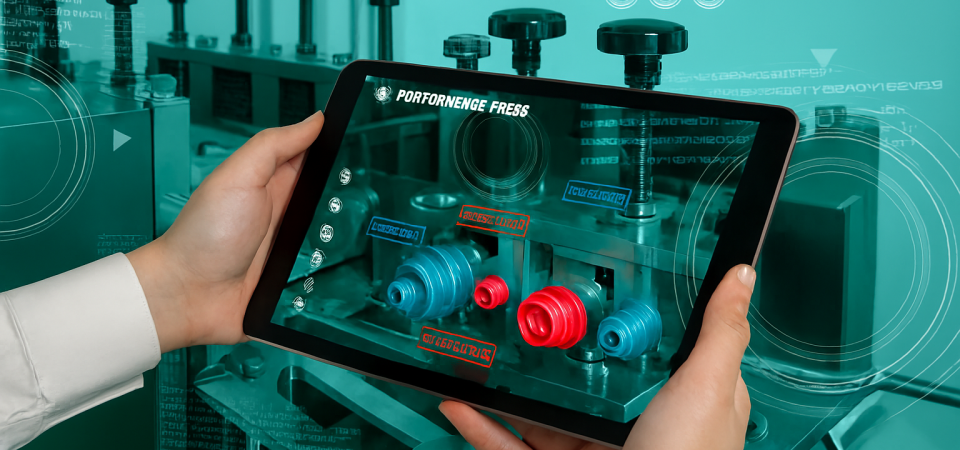
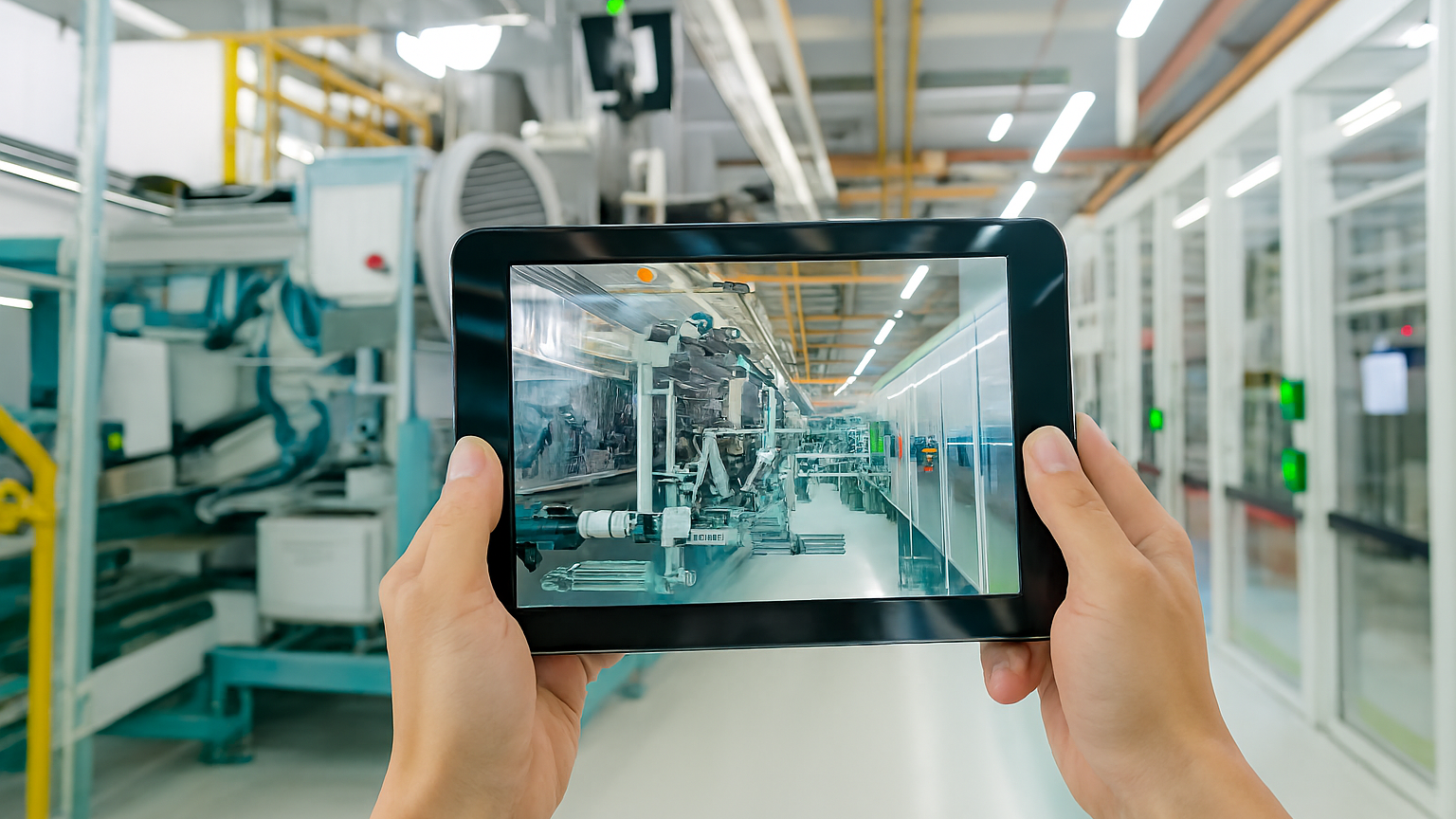
- AR (Augmented Reality) overlays digital models onto the real world—ideal for mobile devices, tablets, or smart glasses. It allows users to visualize equipment in their actual environment, whether it’s a rooftop, a factory floor, or a control room.
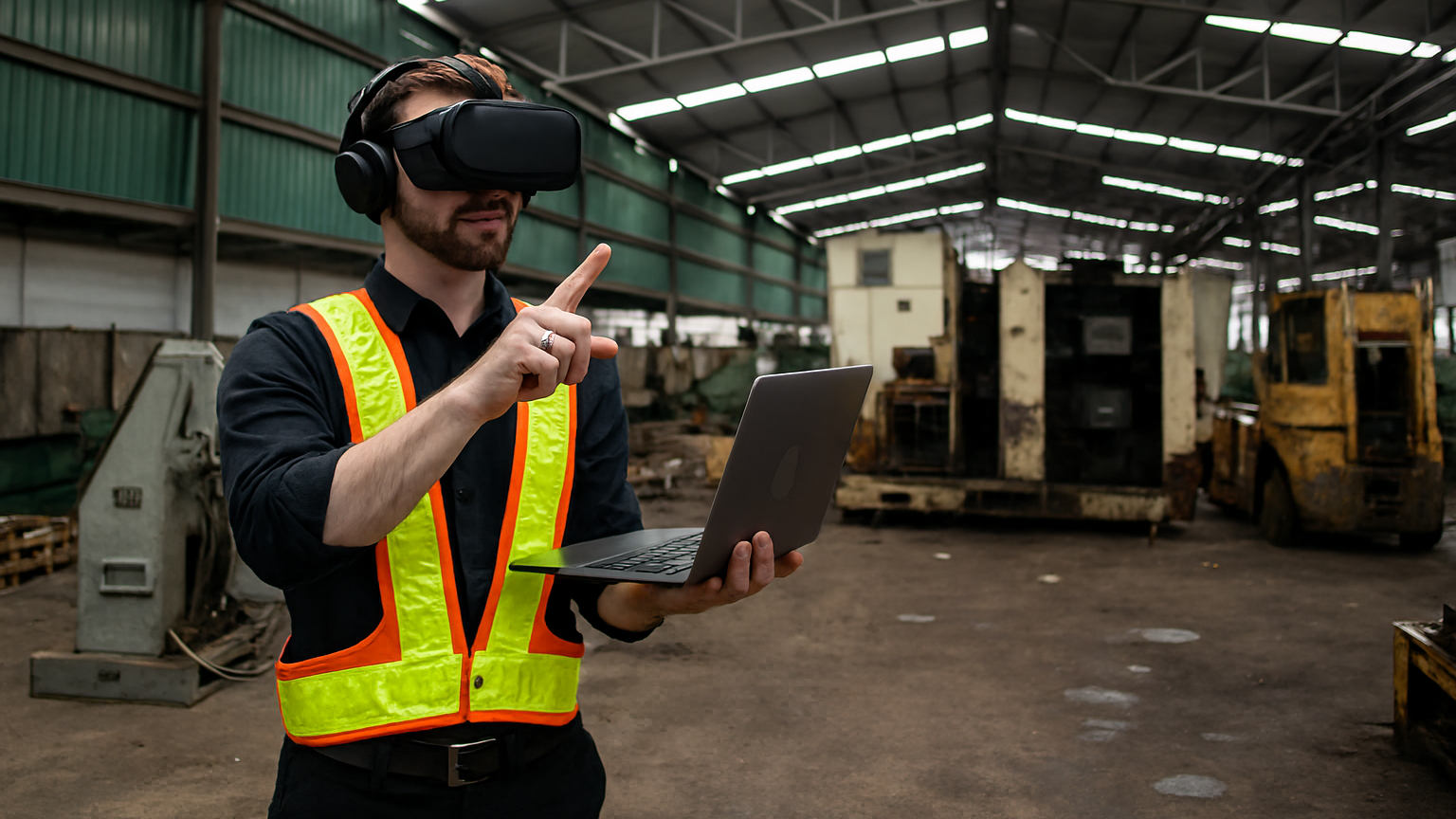
- VR (Virtual Reality) creates a fully simulated space where users can “walk through” a virtual plant, interact with components, and explore systems from every angle.
This shift transforms industrial storytelling from explaining to experiencing.
Real-World Applications in Industrial Settings
Here’s how AR and VR walkthroughs are already driving impact across the industrial landscape:
Immersive Product Demonstrations
Instead of shipping bulky equipment or relying on static brochures, companies now use VR to showcase entire systems—like HVAC setups or filtration networks—at trade shows, client meetings, or online portals.
Example: A manufacturer of air purification systems uses VR to simulate airflow dynamics and pollutant capture in different environments, helping clients visualize performance before purchasing.
AR-Guided Maintenance & Training
Technicians can use AR overlays to receive step-by-step instructions while servicing equipment. This reduces human error, shortens training cycles, and improves safety compliance.
Example: An industrial refrigeration company deploys AR apps that guide field engineers through compressor diagnostics using real-time visual cues.
Collaborative Design Reviews
Engineers, designers, and clients can co-review prototypes in VR, validate layouts, and troubleshoot issues before production begins—saving time and reducing costly revisions.
Example: A filtration system provider utilizes VR to simulate installations in various building layouts, enabling architects and engineers to optimize placement collaboratively.
Safety Simulations
VR enables teams to rehearse emergency protocols, equipment handling, and compliance procedures in a risk-free and repeatable environment.
Example: A chemical processing firm uses VR to train staff on hazardous material handling, simulating spills and containment procedures.
Marketing & Sales Impact
AR and VR aren’t just technical tools—they’re strategic assets:
- Higher Engagement: Interactive walkthroughs hold attention longer and improve information retention.
- Emotional Resonance: Immersive experiences build trust and confidence, especially when showcasing safety, efficiency, or innovation.
- Scalable Content: AR/VR assets can be repurposed across websites, social media, sales decks, and training portals.
Challenges to Navigate
While the potential is huge, implementation requires careful planning:
- Hardware Accessibility: Not all clients have VR headsets, so mobile AR and browser-based VR are essential for reach.
- Content Development: Creating immersive walkthroughs demands collaboration between animators, engineers, and UX designers.
- Platform Compatibility: Ensuring smooth performance across devices and operating systems is non-negotiable.
Why Choose Reality Premedia for AR/VR?
Reality Premedia plays a pivotal role in bridging industrial complexity with immersive clarity. With deep expertise in 3D modeling, animation, and interactive media, they help manufacturers transform static product data into dynamic AR and VR walkthroughs. Whether it’s simulating airflow in HVAC systems, visualizing filtration stages, or creating virtual plant tours, Reality Premedia ensures technical accuracy while delivering emotionally resonant experiences. Their ability to collaborate with engineering teams and align visuals with commercial goals makes them a strategic partner for industrial brands looking to elevate product storytelling through immersive tech.
Conclusion
AR and VR aren’t just flashy tech—they’re tools for clarity, confidence, and conversion. For industrial brands, they offer a rare opportunity to make complex systems feel simple, intuitive, and emotionally compelling. Whether you’re launching a new product, training a global workforce, or pitching to enterprise clients, immersive walkthrough animation is no longer a luxury—it’s a competitive advantage.


