
Introduction
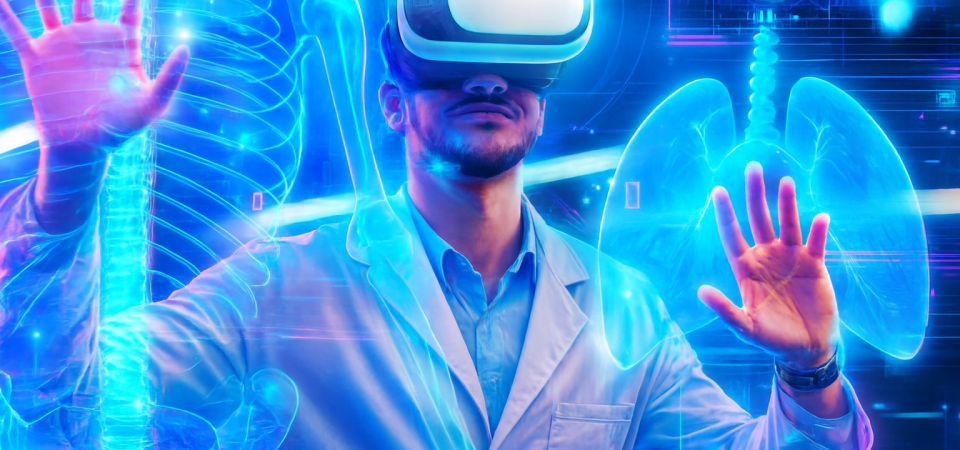
Pharmacology has always been a complex field, filled with molecular interactions, biochemical pathways, and drug mechanisms that are difficult for patients and even professionals to fully grasp. With the rise of Augmented Reality (AR) and Virtual Reality (VR), healthcare is entering a new era where drug science can be visualized, interacted with, and understood in once unimaginable ways.
The Need for Patient-Friendly Pharmacology
Patients often struggle to understand how their medications work, why they need to take them at specific times, or what side effects to expect. Traditional methods—pamphlets, verbal explanations, or static diagrams—rarely capture the dynamic nature of drug interactions. This gap in understanding can lead to poor adherence, mistrust, or fear. AR/VR offers a solution by turning abstract pharmacology into immersive, patient-friendly experiences.
Key Applications of AR/VR in Pharmacology
- Interactive Drug Mechanism Visualizations: Patients can see how a pill dissolves, how molecules bind to receptors, and how the body responds—all in real time.
- Drug Interaction Simulations: AR apps can demonstrate how multiple medications interact, helping patients and caregivers avoid harmful combinations.
- Immersive Clinical Training: Medical students can step inside a virtual bloodstream to observe drug pathways, enhancing their pharmacology education.
- Personalized Medicine Education: AR overlays can explain how genetic variations affect drug efficacy, tailoring information to individual patients.
- Telemedicine Enhancement: Doctors can use AR tools during remote consultations to visually explain drug effects, improving communication.
- Gamified Patient Learning: Interactive apps can turn pharmacology education into engaging, game-like experiences that encourage adherence.
Challenges and Considerations
While the potential is vast, AR/VR in pharmacology faces hurdles:
- Cost barriers: Hardware and content creation remain expensive.
- Accessibility issues: Older patients or low-tech regions may struggle with adoption.
- Privacy concerns: Patient data integration requires strict compliance with regulations.
- Regulatory compliance: Pharma campaigns must balance creativity with medical accuracy.
Reality Premedia: Pioneering Visual Healthcare Communication
Reality Premedia is a creative powerhouse specializing in industrial and medical animation. By blending technical precision with emotional storytelling, Reality Premedia develops AR/VR-ready content that makes pharmacology approachable for patients, impactful for pharma marketers, and immersive for medical educators.
Conclusion
AR/VR and interactive pharmacology are not just futuristic concepts—they are practical tools reshaping everyday healthcare. By simplifying drug science, improving adherence, and enhancing trust, these technologies bridge the gap between complex pharmacology and patient-friendly understanding. As adoption grows, they will become essential in both patient education and pharma marketing, ushering in a new era of visual, interactive healthcare.


