
Introduction
Artificial Intelligence (AI) has become the invisible engine driving the next revolution in 3D animation. What began as a tool for automating tedious tasks has evolved into a creative collaborator capable of learning, predicting, and even inspiring new forms of visual storytelling. For agencies and studios, AI is not just a technological upgrade—it’s a paradigm shift that blends computational precision with human imagination.
The Evolution of Animation Workflows
Traditional 3D animation demanded extensive manual labor—rigging characters, cleaning motion‑capture data, and rendering frames one by one. Today, AI automates these processes through machine learning models that understand motion, lighting, and texture. Tools like DeepMotion, RADiCAL, and Plask use neural networks to convert simple video footage into fully rigged 3D characters, cutting production time by up to 70%.
AI also assists in procedural generation, creating environments, props, and textures automatically. This means animators can focus on storytelling and emotional nuance rather than repetitive modeling tasks.
Real‑Time Animation and Predictive Modeling
AI’s predictive capabilities allow real‑time animation adjustments. For example, motion prediction algorithms anticipate how a character should move based on physics and prior data. This is invaluable in gaming and AR/VR experiences, where responsiveness defines immersion.
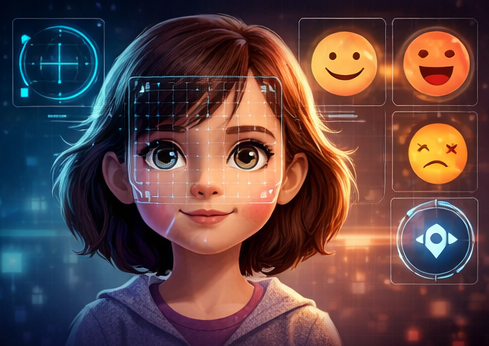
Imagine a virtual character reacting dynamically to user input—smiling when greeted or dodging obstacles instinctively. Such realism is made possible by AI’s ability to learn from thousands of motion samples.
Enhancing Creativity Through Collaboration
AI doesn’t replace animators—it amplifies their creativity. Generative AI tools like Runway, Adobe Firefly, and Kaiber help artists visualize concepts faster. They can generate mood boards, lighting setups, and even preliminary scene compositions.
At Reality Premedia, this synergy between human artistry and AI precision enables teams to deliver visually stunning campaigns for clients in healthcare, education, and entertainment.
Ethical and Artistic Considerations
The rise of AI also brings challenges:
- Authenticity: How do we ensure AI‑generated art retains human emotion?
- Copyright: Training AI on existing artworks raises ownership questions.
- Employment: Automation may shift job roles, requiring reskilling.
Agencies must balance innovation with ethics, ensuring AI enhances rather than replaces human creativity.
The Future of AI‑Driven Animation
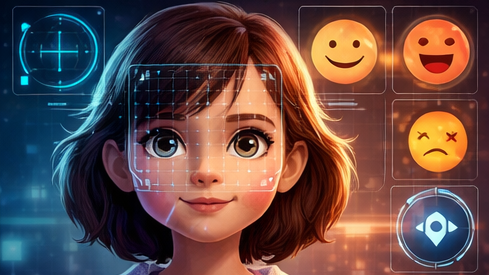
The next frontier lies in emotionally intelligent animation—AI systems that understand narrative tone and character psychology. Imagine AI suggesting subtle facial cues to convey empathy or tension. Such advancements will redefine storytelling depth.
Conclusion
AI is transforming 3D animation from a labor‑intensive craft into a data‑driven art form. The future belongs to creators who embrace this hybrid model—where imagination meets intelligence, and storytelling becomes smarter, faster, and profoundly human.


