
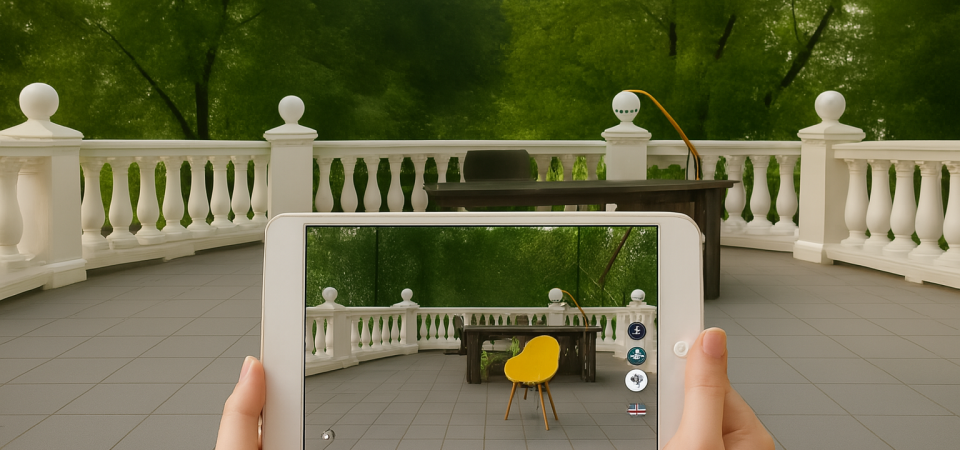
The Metaverse is rapidly evolving from science fiction into a shared, immersive digital reality—an extension of the internet itself. Although Virtual Reality (VR) often receives the most attention, Augmented Reality (AR) is the key technology that connects the physical world to this large virtual space. AR can overlay interactive digital content, such as 3D models and data, in the real world through a smartphone or smart glasses, making AR the most widely available and easily adopted form of the everyday Metaverse.
Augmented Reality’s Accessibility & Advantage
A major challenge for the widespread acceptance of the Metaverse is the requirement for specialized, often costly equipment, such as high-end VR headsets. However, AR cleverly bypasses this issue by utilizing the most common device people already own: their smartphones.
- Mass Market Ready: Many users have been using AR elements daily in social media filters, mobile games, and shopping apps. Since AR is already common with many people, it takes some of the barriers of engagement away and makes the idea of the Metaverse seem like a more natural extension of existing mobile digital life rather than being a huge leap into an isolated virtual environment.
- Contextual Computing: AR allows digital information to be correlated with a specific location or object in the real world. For example, you could hold your phone up to a historical landmark and see a virtual 3D model of what it looked like centuries ago. This would be a localized Metaverse experience through AR.
Use of Augmented Reality in modern day
The true promise of the Metaverse is not to replace reality, but to enhance it. AR is the key technology enabling this Digital convergence that seamlessly integrates our real and virtual lives.
Commerce & Retail
Augmented Reality is fundamentally transforming the shopping experience. Metaverse commerce is not just about acquiring digital attire for avatars; it extends to how we purchase physical products.
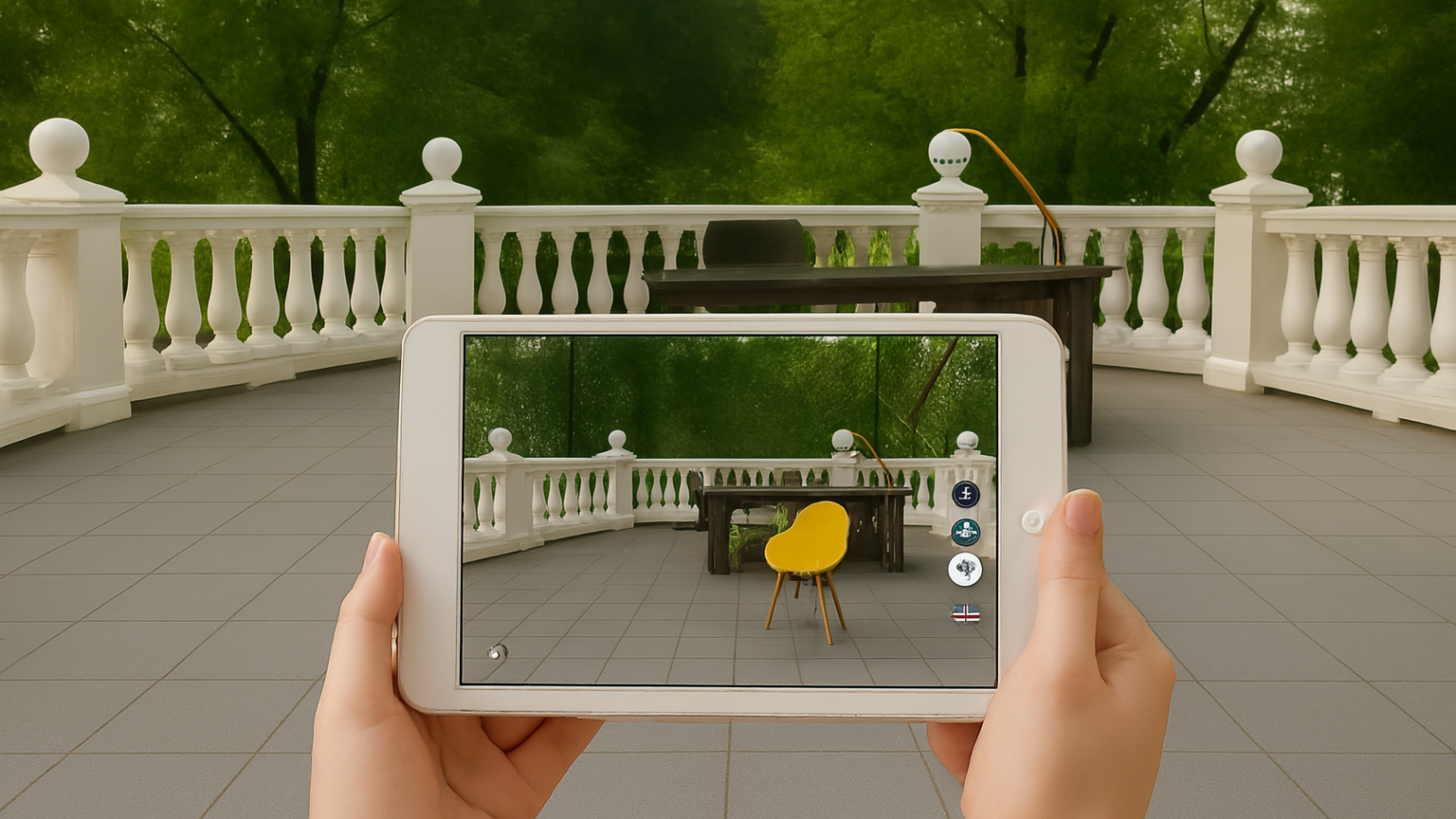
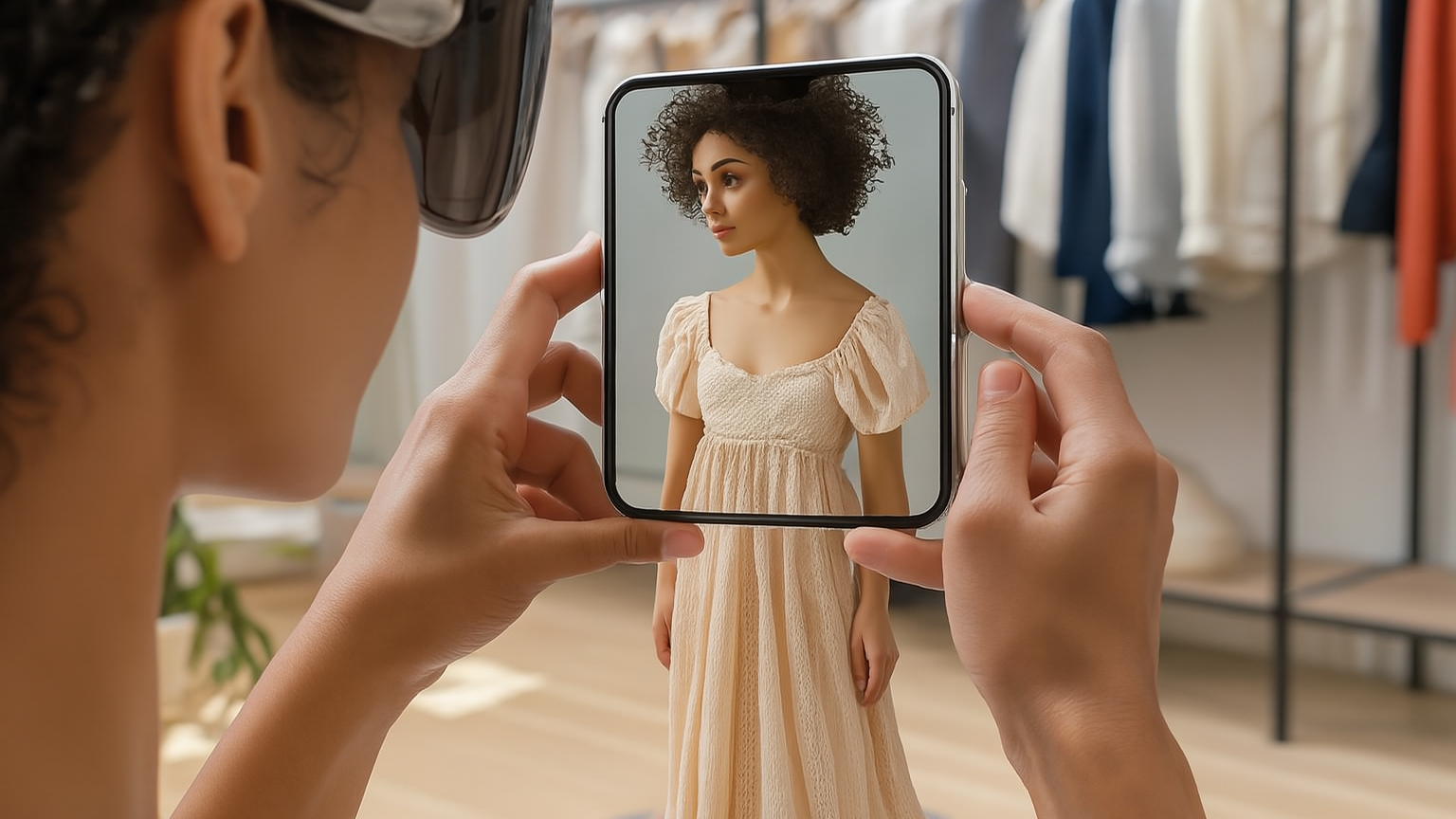
- Try Before You Buy: Augmented Reality applications give people the ability to envision how furniture would fit in their living spaces or how makeup or clothing would suit their specific body types. This approach not only spices up the shopping experience but also significantly reduces return rates, providing tangible economic benefits through digital engagement.
- Immersive Product Info: By scanning a product in a physical store, customers can instantly access an AR overlay of reviews, how-to guides, or comprehensive specifications right on their screens.
Work & Education
The blending of worlds is transforming professional and educational environments, creating new efficiencies and learning methods.
- AR-Assisted Training: Maintenance technicians can don AR glasses to project digital instructions and schematics directly onto complex machinery. This “see-what-I-see” format provides an impactful form of an enterprise Metaverse.
- Collaborative Design: Architects or engineers can gather in a physical space, equipped with AR devices, to collaboratively interact with a holographic 3D model of their project situated right on the table. This creates a shared virtual space that remains anchored.
Entertianment & Gaming
While VR provides fully immersive gaming, AR allows digital play to spill out into our streets, parks, and homes, maximizing social engagement.
- Mixed Reality Gaming: Games that meld real-world mobility and location with digital characters and challenges craft a truly mixed-reality playground.
- Digital Overlays at Events: Heading to a concert? With AR glasses, you could view stunning digital visual effects and holograms, enhancing the live performances, infusing a persistent, shareable digital layer into the physical show.
Conclusion
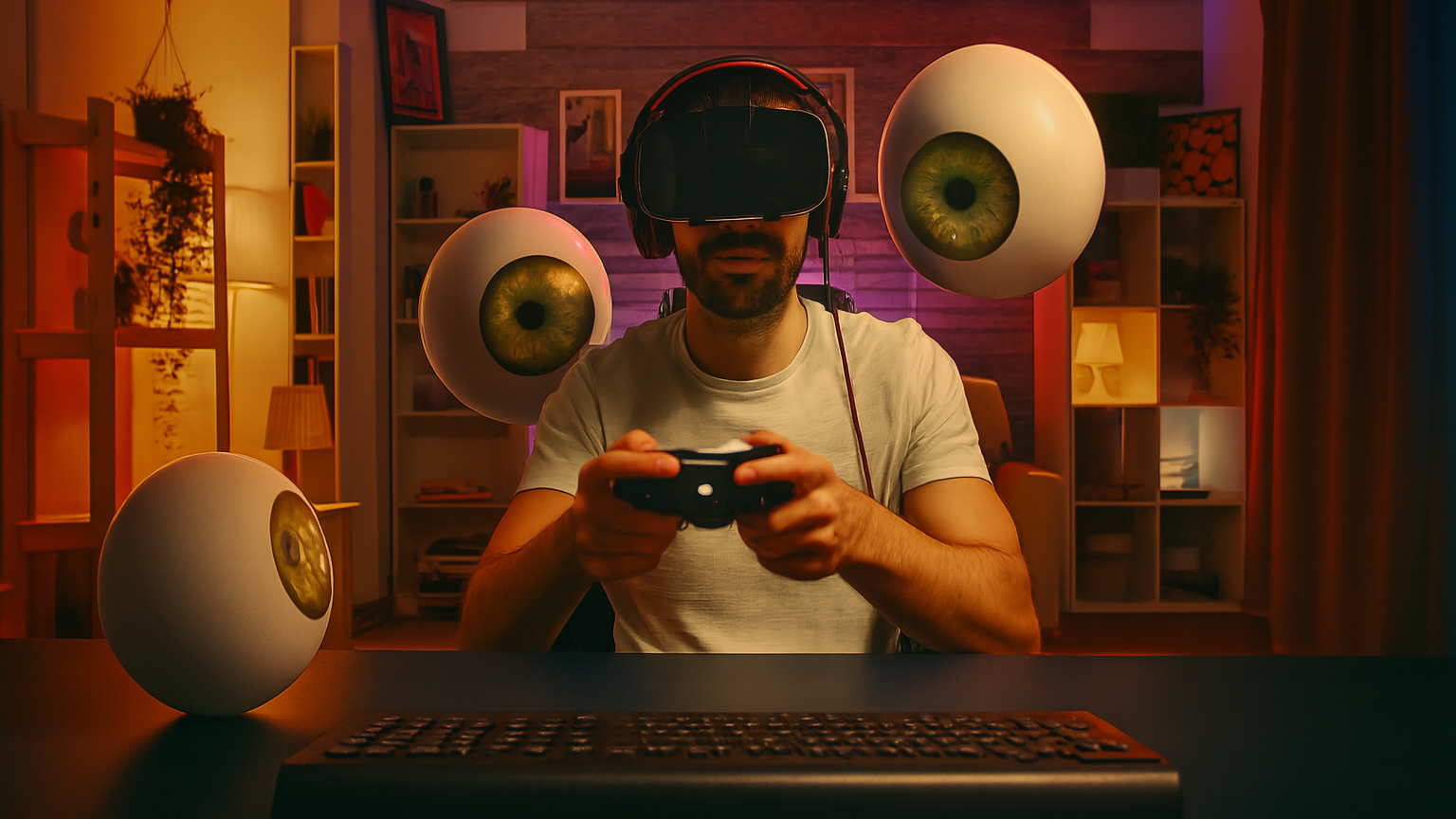
AR is not merely a transitional element; it’s the crucial foundation anchoring the ambitious digital vision of the Metaverse in our daily existence. By creating intuitive, accessible experiences that amplify reality, AR establishes itself as the chief architect of the phygital future. Get ready to experience a digitally enriched world.
Reality Premedia empowers brands to harness AR for industrial storytelling, product visualization, and immersive demos. From precision-engineered 3D renderings to intuitive UI overlays, their solutions make complex technologies tangible—bridging the gap between innovation and user experience in the emerging Metaverse.


