
Introduction
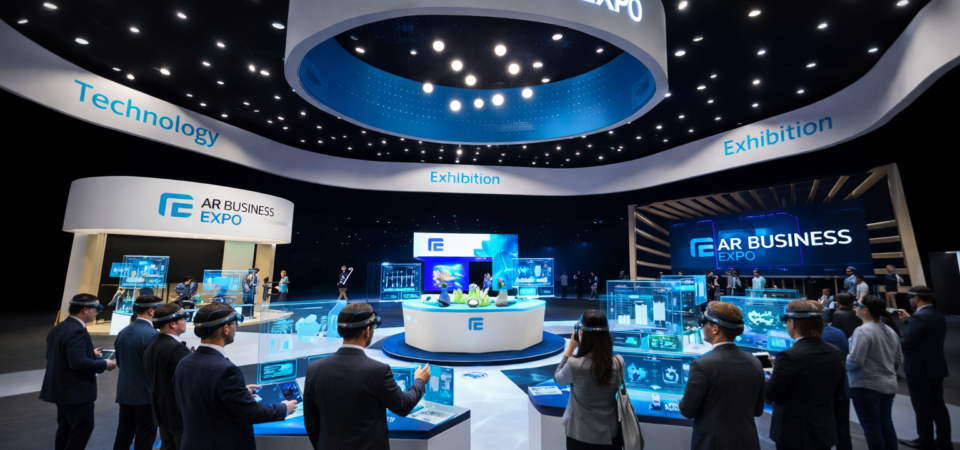
Business exhibitions have always been about connection, innovation, and visibility. Yet, in 2026, the rules of engagement are changing. Augmented Reality Trade Shows are redefining how brands showcase products, interact with audiences, and measure success. By merging physical presence with digital immersion, AR exhibitions are no longer a novelty — they are becoming the benchmark for global business events.
What Makes AR Trade Shows Different?
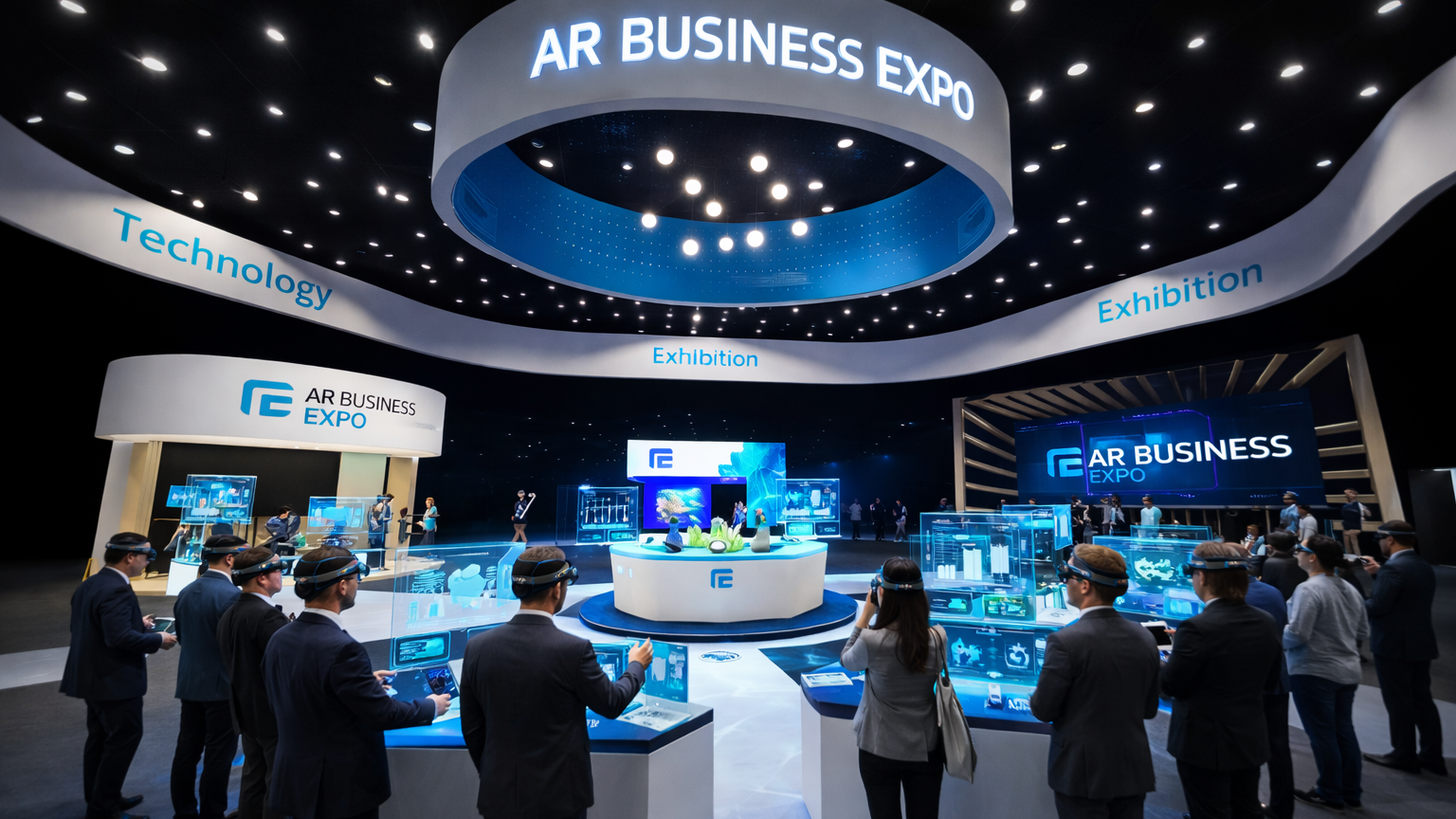
Unlike traditional booths filled with brochures and static displays, AR trade shows create immersive booth experiences where visitors can:
- Interact with 3D product models in real time.
- Customize features and visualize products in their own environment.
- Access to hybrid participation — whether attending in person or remotely.
This shift transforms exhibitions from passive viewing into active engagement, building stronger emotional connections between brands and audiences.
The Business Impact of AR Exhibitions
- ROI of AR Exhibitions: Companies report on higher-quality leads, longer booth engagement times, and improved conversion rates.
- Global Reach with AR: Remote attendees can join virtually, expanding audience size without travel costs.
- Sustainability in AR Events: Eliminating physical prototypes reduces shipping costs and carbon footprints.
- AR Product Demos: Buyers can interact with products dynamically, making decision-making faster and more informed.
Case Studies & Real-World Adoption
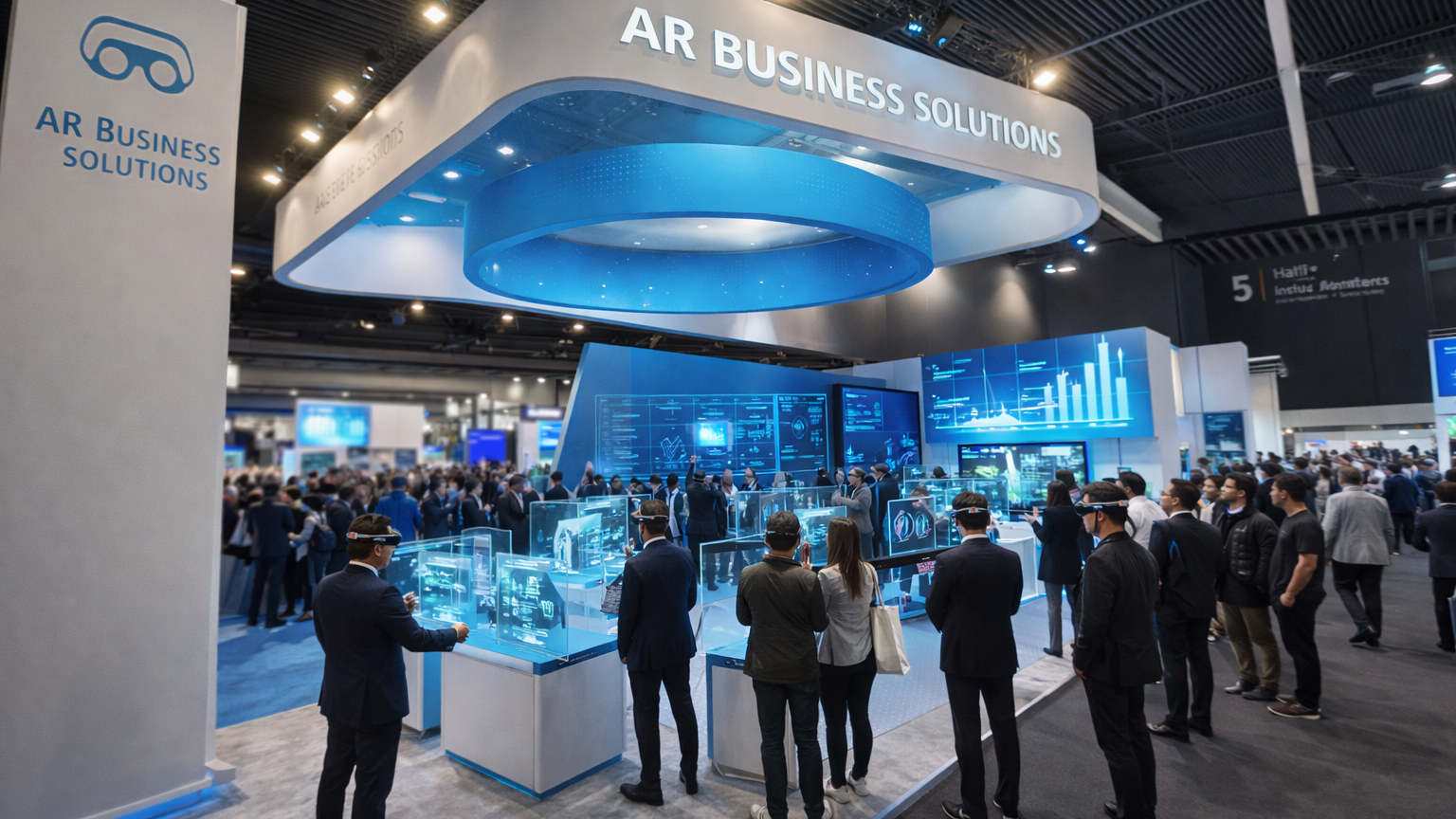
Leading expos such as AWE USA 2026 and XR Expo Stuttgart showcase how AR is being adopted across industries — from automotive to SaaS. Exhibitors using AR report:
- 30–40% higher booth traffic compared to traditional setups.
- Improved brand recall, as visitors remember interactive experiences longer than static visuals.
- Faster sales cycles, thanks to real-time customization during demos.
Challenges to Consider
While AR trade shows are transformative, businesses must address:
- Technology access — ensuring attendees have AR-ready devices.
- Implementation costs — investing in 3D modeling and AR platforms.
- Data privacy — managing user interaction data responsibly.
- User experience design — avoiding overwhelming or poorly executed AR demos.
The Future of Business Exhibitions
By 2026 and beyond, AR trade shows are evolving into hybrid ecosystems where physical booths coexist with virtual spaces. Expect:
- AI-driven personalization delivering tailored product recommendations.
- Holographic networking lounges for global collaboration.
- Interactive AR catalogs replacing printed brochures.
For agencies like Reality Premedia, this future is not just about technology — it’s about storytelling, emotional resonance, and measurable business impact. By blending AR with strategic content, brands can position themselves as pioneers in customer engagement.
Reality Premedia — Powering AR Trade Show Success
At the heart of this transformation is Reality Premedia, India’s benchmark agency for 3D animation, AR/VR, and video production services. With expertise in commerce-ready asset validation, Reality Premedia ensures that every AR trade show experience is not only visually stunning but also technically precise and business-ready.
- 3D Rendering & Animation — High-fidelity models optimized for AR booths and product demos.
- Explainer Video Production — SaaS and enterprise brands leverage Reality Premedia’s storytelling to simplify complex offerings.
- AR/VR Trade Show Solutions — Immersive booth experiences that reduce product returns, speed approvals, and boost conversions.
- Commerce-Ready Asset Validation — Pixel-level QA, metadata tagging, and channel optimization ensure assets behave predictably across platforms.
By blending technical precision with emotional storytelling, Reality Premedia empowers brands to stand out in crowded exhibitions, engage audiences globally, and deliver measurable ROI.
Conclusion
Augmented Reality trade shows are no longer experimental; they are the future of business exhibitions. Companies that embrace AR today will lead tomorrow’s markets, offering immersive, sustainable, and globally accessible experiences.


