
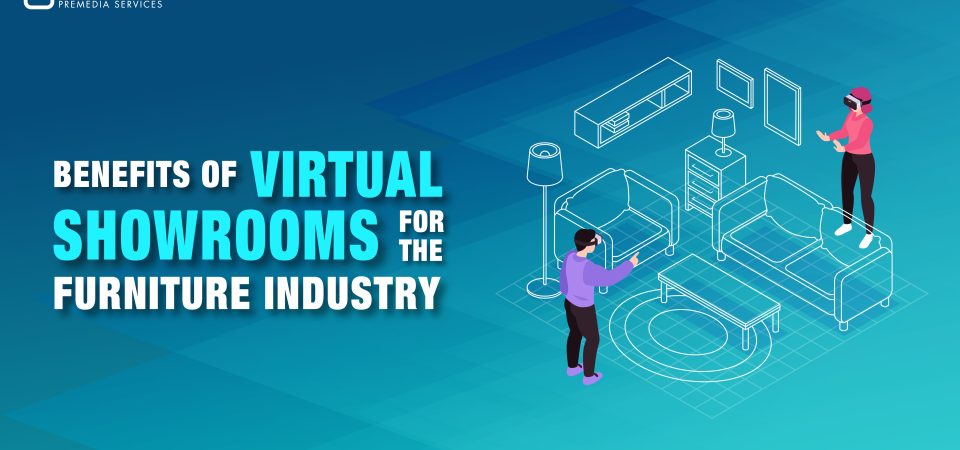
Virtual Showrooms for Furniture Industry allow furniture brands to showcase products in immersive 3D environments accessible from anywhere. They help improve customer engagement, reduce showroom costs, accelerate buying decisions, and provide a more interactive shopping experience compared to traditional catalogs or static product images.
Key Takeaways
- Analytics provide valuable customer insights.
- Customers can explore furniture collections 24/7.
- Virtual showrooms reduce physical showroom expenses.
- Interactive experiences increase customer engagement.
- Furniture brands can showcase entire collections digitally.
- Product customization becomes easier for buyers.

Why Are Virtual Showrooms Important for the Furniture Industry?
Furniture buying is highly visual. Customers want to understand product dimensions, materials, colors, textures, and room compatibility before making a purchase.
However, traditional showrooms have limitations:
- Limited display space
- High operational costs
- Geographic restrictions
- Difficulty showcasing all product variations
A virtual showroom solves these challenges by allowing customers to explore products from anywhere while providing a realistic and engaging experience.
Top Benefits of Virtual Showrooms for Furniture Industry
1. 24/7 Product Accessibility
Unlike physical stores, virtual showrooms are accessible anytime and from any location.
This means customers can browse furniture collections:
- After business hours
- From different cities or countries
- On mobile, desktop, or tablet devices
As a result, furniture brands can expand their reach without opening additional physical locations.
2. Lower Showroom and Operational Costs
Operating a physical showroom often involves:
- Commercial rental costs
- Interior setup expenses
- Utility bills
- Maintenance costs
- Staffing requirements
A virtual showroom significantly reduces these expenses while still delivering a premium customer experience.
3. Better Furniture Visualization
Customers often struggle to understand how furniture will look in a real environment.
A 3D Virtual Furniture Showroom allows users to:
- View products from multiple angles
- Zoom into details
- Explore room layouts
- Compare furniture styles
This helps buyers make more informed purchasing decisions.
4. Improved Product Customization
Modern furniture buyers expect customization.
Virtual showrooms allow customers to explore:
| Customization Option | Customer Benefit |
|---|---|
| Fabric Variations | Better personalization |
| Color Options | Easier comparison |
| Material Finishes | Improved decision-making |
| Furniture Configurations | Customized buying experience |
| Size Variations | Better space planning |
This creates a more engaging and personalized shopping journey.
5. Increased Customer Engagement
Interactive experiences typically capture more attention than static catalogs.
Virtual showrooms can include:
- Product hotspots
- Guided virtual tours
- Product videos
- Feature explanations
- Interactive room experiences
As a result, customers spend more time exploring products and understanding their features.
6. Faster Furniture Buying Decisions
One common challenge in furniture retail is buyer hesitation.
Virtual showrooms help customers:
- Explore products independently
- Compare options quickly
- Understand product dimensions
- Visualize room placement
Therefore, customers can move through the buying journey more confidently.
7. Valuable Customer Analytics
One of the most overlooked benefits is data collection.
Furniture brands can identify:
- Most viewed products
- Popular room designs
- Customer navigation patterns
- Frequently explored categories
- Product preferences
These insights support smarter marketing and merchandising decisions.Contrastingly, virtual showrooms present a far more cost-effective alternative. You not only eliminate expenses related to rent, utilities, and staffing but also reduce material costs significantly. The financial savings, coupled with the streamlined operational efficiency of virtual presentation, make it a compelling choice for businesses aiming to maximize their budget and resources.
We are the best Virtual Showroom Services in India, with over 20 years of experience.
How Do Virtual Showrooms Help Furniture Brands Generate More Leads?
Modern buyers expect a seamless digital customer experience across every touchpoint, making virtual showrooms an important part of furniture marketing and sales strategies.
Virtual showrooms are not only sales tools but also lead-generation assets.
They can be integrated with:
- Inquiry forms
- Product catalogs
- Appointment booking systems
- Virtual consultations
- CRM platforms
This helps brands convert visitors into qualified sales opportunities.
Virtual Showroom vs Traditional Furniture Showroom
| Feature | Virtual Showroom | Physical Showroom |
|---|---|---|
| Accessibility | 24/7 Global Access | Location Dependent |
| Product Variations | Unlimited | Space Limited |
| Customer Analytics | Available | Limited |
| Update Flexibility | Instant | Time Consuming |
| Cost Efficiency | High | Moderate to High |
| Customer Reach | Global | Local |
What Trends Are Driving Virtual Showroom Adoption?
The furniture industry is increasingly adopting technologies such as AR, VR, and interactive digital experiences. Advances in virtual reality technology are making virtual showrooms more immersive and engaging for customers.
The furniture industry is increasingly adopting:
- AI-powered product visualization
- 3D furniture rendering
- Augmented Reality (AR)
- Virtual Reality (VR)
- Interactive digital showrooms
These technologies help brands create richer product experiences while supporting modern buyer expectations.
Frequently Asked Questions
What is a virtual showroom for furniture brands?
A virtual showroom is a digital 3D environment where customers can interactively explore furniture products online.
How do virtual showrooms benefit furniture companies?
They improve customer engagement, reduce showroom costs, increase product visibility, and support lead generation.
Can customers customize furniture inside a virtual showroom?
Yes. Many virtual showrooms allow users to change colors, materials, finishes, and furniture configurations.
Are virtual showrooms better than furniture catalogs?
Virtual showrooms provide a more immersive and interactive experience compared to static catalogs.
Do virtual showrooms help increase furniture sales?
They can improve product understanding and customer confidence, which often supports higher conversion rates.
What technologies are used in furniture virtual showrooms?
Common technologies include 3D rendering, virtual tours, AR, VR, interactive hotspots, and product visualization tools.
Are virtual showrooms suitable for B2B furniture manufacturers?
Yes. Manufacturers, distributors, retailers, and furniture brands can all use virtual showrooms for product presentations and sales support.
Explore Virtual Showroom Services by Reality Premedia
Looking to create an immersive Virtual Showroom for Furniture Industry? Reality Premedia Services helps furniture brands, manufacturers, and retailers showcase products through interactive virtual experiences, 3D furniture visualization, virtual tours, and digital showrooms. Our solutions enable customers to explore collections, compare variations, and engage with products from anywhere, helping businesses improve customer experience and generate qualified leads.
Conclusion
Virtual Showrooms for Furniture Industry are transforming how furniture brands showcase products, engage customers, and drive sales in a digital-first marketplace. By combining immersive product visualization, interactive experiences, and anytime-anywhere accessibility, virtual showrooms help businesses overcome the limitations of traditional retail displays.
From improving customer engagement and personalization to reducing operational costs and generating valuable buyer insights, virtual showrooms offer a scalable solution for modern furniture brands. As consumer expectations continue to evolve, investing in a virtual showroom can help businesses create more engaging shopping experiences, reach a wider audience, and stay competitive in the rapidly changing furniture market.


